While uncommon, myopia can worsen even into adulthood. If this happens, you may notice your distance vision getting blurrier over time, making it harder to see street signs or recognize faces across the room.
Myopia worsens due to a combination of lifestyle factors that can make your eyeball continue growing longer than normal, such as:
- Excessive screen time and close-up work
- Limited time outdoors
- Genetic predisposition
- Certain health conditions
If your vision worsens, your optometrist can help keep your prescription up to date with regular eye exams.
What Happens When Your Myopia Gets Worse?
As myopia progresses, your eyeball grows longer from front to back. This changes how light focuses in your eye, making distant objects appear increasingly blurry. You might notice that things you could see clearly last year now look out of focus, and your optometrist may need to prescribe stronger lenses during your regular eye exams.
When reading a prescription, you can tell how much correction your vision needs by looking at the sphere (SPH) number. A minus sign (–) means you’re nearsighted, while a plus sign (+) means you’re farsighted. In both cases, a higher prescription number means your eyes need more correction to see clearly. This progression can continue throughout childhood, adolescence, and even into your twenties.
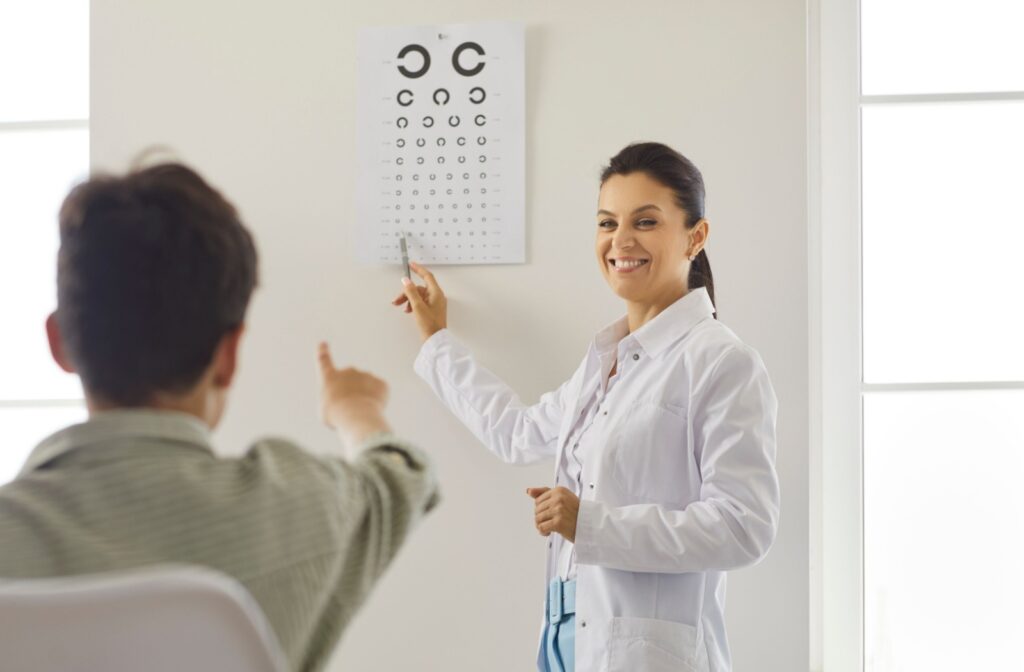
Regular monitoring through comprehensive eye exams helps track these changes accurately.
Key Factors That Make Your Myopia Progress
Myopia worsens in children because their eyes are still growing. We can manage this progression using myopia control. Usually, vision stabilizes around 20, but our bodies are constantly changing, and your vision may not stay the same.
Most research is focused on children with myopia, so it’s not always clear what causes myopia to worsen, but here are some of the common factors:
Too Much Close-Up Work and Screen Time
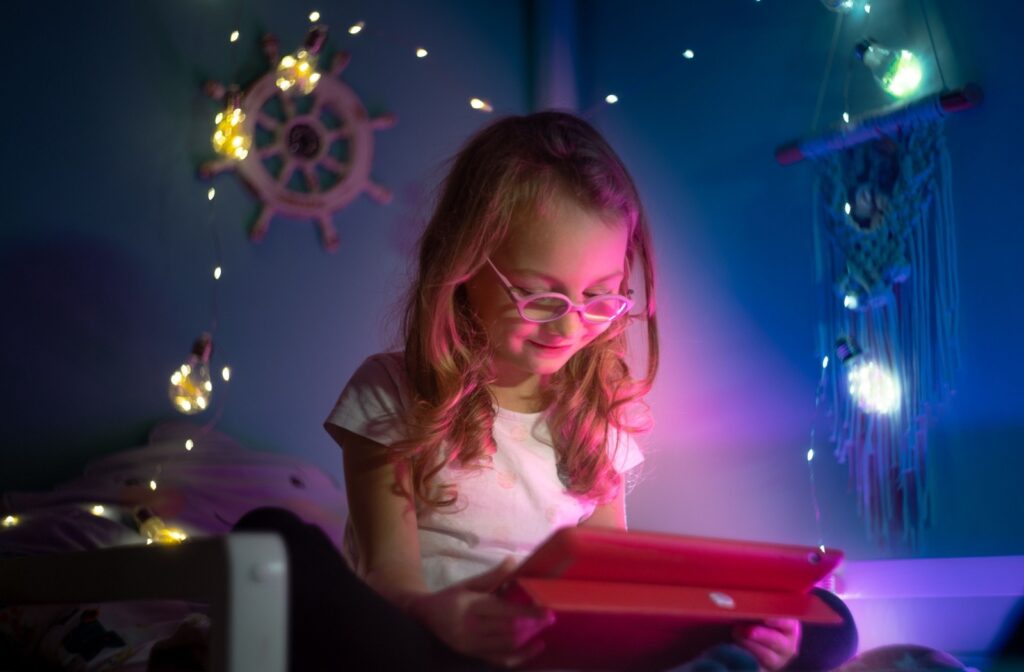
When you spend hours reading, writing, or staring at screens, your eyes work overtime to focus on nearby objects. Essentially, your eye muscles stay contracted for extended periods during close work. This constant strain can signal your eyes to grow longer, which worsens your myopia over time.
Without regular breaks, this sustained effort may contribute to the physical changes that make your nearsightedness worse.
Limited Outdoor Time
Spending less than an hour outside each day limits your exposure to natural light and opportunities to use your distance vision. When you’re outdoors, your eyes naturally focus on distant objects, giving your focusing muscles a chance to relax.
Natural sunlight also supports healthy eye development. Bright outdoor light helps regulate eye growth in ways that indoor lighting cannot match.
Your Family History and Genetics
If one or both of your parents have myopia, you’re much more likely to develop it yourself. Your genes influence how your eyes grow and develop, including whether they can become longer than normal.
Some families show clear patterns of myopia progression across generations. While you can’t change your genetics, knowing your family history helps optometrists create treatment plans for you.
Health Conditions That Can Worsen Myopia
Certain medical conditions can cause temporary vision changes that appear to worsen nearsightedness. For example, diabetes can affect the shape of your eye’s lens, making your vision fluctuate as your blood sugar levels change. If you have diabetes, diabetic eye exams are particularly important for monitoring vision changes.
Other health issues can create visual stress or affect how your eyes focus. Some medications can also impact your vision temporarily. Remember to discuss all health changes with your eye care team.
Can Glasses and Contact Lenses Affect Myopia?
There is a common myth that glasses can make your eyesight worse. This is simply not true. You need to wear your glasses to correct your vision and see the world clearly. However, it’s important to wear the correct prescription.
Overcorrecting or undercorrecting your vision can cause discomfort, such as headaches, eye strain, and dizziness. An incorrect prescription also won’t correct your vision, and things will look blurry. This may make you feel that your vision is getting worse when, in fact, the problem is with your glasses or contact lenses.
This is why regular eye exams are important for monitoring changes in your prescription.
Support a Lifetime of Healthy Vision
For children and adults alike, caring for your vision today is the first step toward a lifetime of healthy eyesight. If you’ve noticed you or your child’s distance vision getting worse or experience frequent headaches from eye strain, it’s time to take action!Our team at Mint Eyecare can help you understand what’s happening and develop a personalized plan to protect your vision. Contact us today to schedule your comprehensive eye exam and discover how experienced care makes for a happy family.