Key Takeaways
- A first eye exam can happen between 6 and 12 months, with a follow-up between 2 and 5 and another before school starts.
- Your preschooler doesn’t need to read or know the alphabet to have a full eye exam.
- Squinting, head tilting, and avoiding puzzles or colouring are all signs of potential vision issues.
- Book with an optometrist in Brampton to keep your child’s visual development on track.
Early Eye Exams Are Important
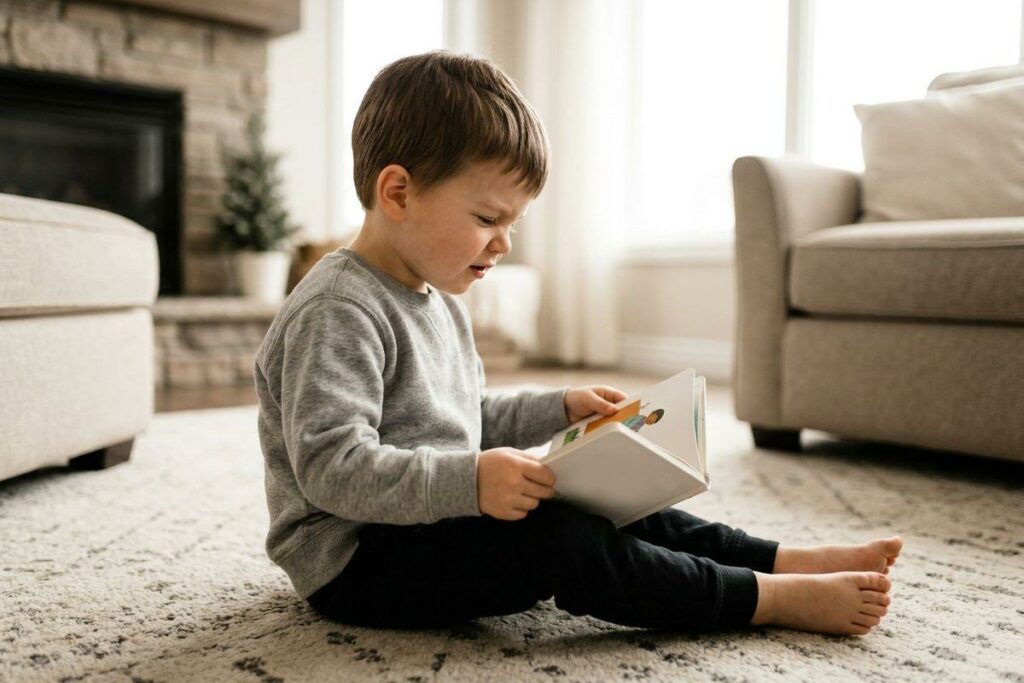
Your 4-year-old holds a picture book 2 inches from their nose. They tilt their head when they colour. They lose interest in puzzles after 30 seconds. Small habits like these are easy to shrug off as personality quirks, and often they are. Sometimes, though, these behaviours can be a sign that your child’s vision is off. Our eye doctors at Mint Eyecare can help you find out for sure.
Preschoolers should have a full eye exam with an optometrist before starting school, usually between the ages of 2 and 5. At this age, vision skills are still developing, so early support can make a big difference.
When Preschoolers Should Start Eye Exams
A baby’s first eye exam should happen earlier than most parents expect, usually between 6 and 12 months of age. A follow-up between ages 2 and 5 keeps track of how things are progressing. School age children usually need yearly eye exams.
During preschool, vision skills are still forming. Catching potential problems early gives your child more time to get the support they need.
School Vision Checks Versus Full Eye Exams
A vision check at school can usually only identify how well your child sees at a distance. This is helpful, but it’s only one aspect of your child’s vision.
A full eye exam with an optometrist covers much more, including focusing skills, how well the eyes work together, and colour vision.
What Happens During a Preschooler’s Eye Exam
The visit usually starts with a conversation. Your eye doctor asks about your child’s birth, general health, and any family history of eye conditions. Nothing about the exam requires your child to read or know the alphabet, so there’s no need to prep them with flashcards.
Playful Vision Tests for Young Kids
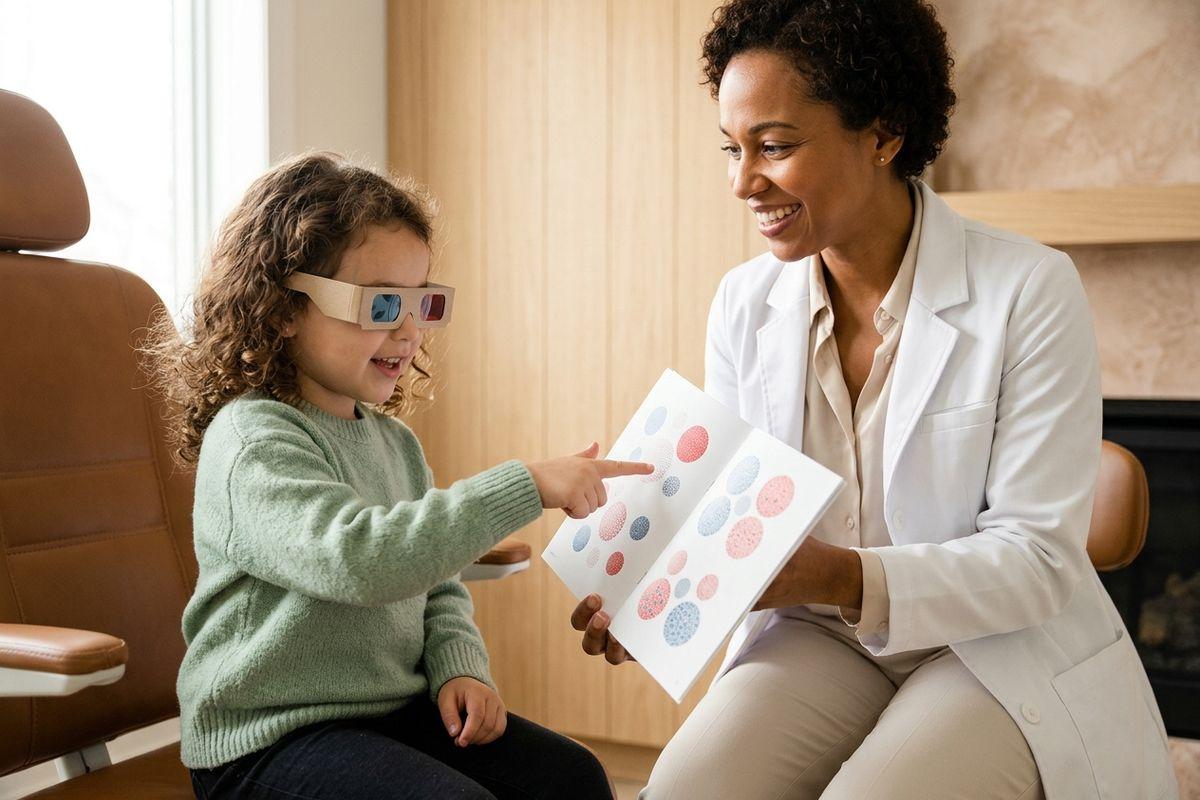
Instead of letters, your child might name simple LEA symbols like an apple, a house, a square, and a circle. Depth perception can be checked with dot patterns and a pair of 3D glasses, which most kids find pretty fun. A light reflection test can measure your child’s prescription without them saying a word.
Eye Alignment, Teamwork, and Eye Health
Cover tests help the eye doctor see how your child’s eyes line up. Special lights and lenses give us a look at the inside of the eyes.
Conditions the Eye Doctor Looks For
During your child’s eye exam, their optometrist checks for issues like nearsightedness and farsightedness, astigmatism, amblyopia (sometimes called lazy eye), and eye turns.
Signs Your Child May Have a Vision Problem
Young children rarely say “I can’t see well.” They adapt instead. Watch for these habits:
- Squinting, rubbing the eyes, or covering one eye
- Tilting the head to look at things
- Sitting very close to screens or books
- Skipping colouring, puzzles, or ball games they used to enjoy
All of these can be signs that your child is struggling with their vision.
How to Prepare Your Child
Book a morning appointment when your child is rested, and set aside about an hour. Talk about the visit ahead of time and compare the tools to flashlights and puzzles, which sounds a lot friendlier than “tests.” Answer any questions your child has.
Book with a Brampton Optometrist
As your eye doctors in Brampton, our team at Mint Eyecare welcomes young families into our cozy space. We even have a fireplace, so you get a warm place to sit while you’re waiting. Plus, you and your kids can take the chance to browse our optical gallery.
Contact our team today to schedule your preschooler’s eye exam.